
Claiming Compensation When a Passenger Is Injured in a Traffic Accident
Traffic Accidents


- Yaizu & Makinohara Attorneys Top
- Traffic Accidents
- Claiming Compensation When a Passenger Is Injured in a Traffic Accident
- Want to consult about a traffic accident in the Yaizu, Yoshida, Makinohara, Fujieda, or Omaezaki area
- Injured in a traffic accident while riding in a family member's or friend's car
- Want to know who a passenger can claim consolation money or medical expenses from
- Worried about whether a compensation claim can be made even if the driver is a family member or acquaintance
- Received a settlement proposal from an insurance company as a passenger, but unsure if it is fair
Are you troubled by issues like these in Yaizu, Makinohara, Omaezaki, Fujieda, Shimada, Yoshida Town, or surrounding areas?
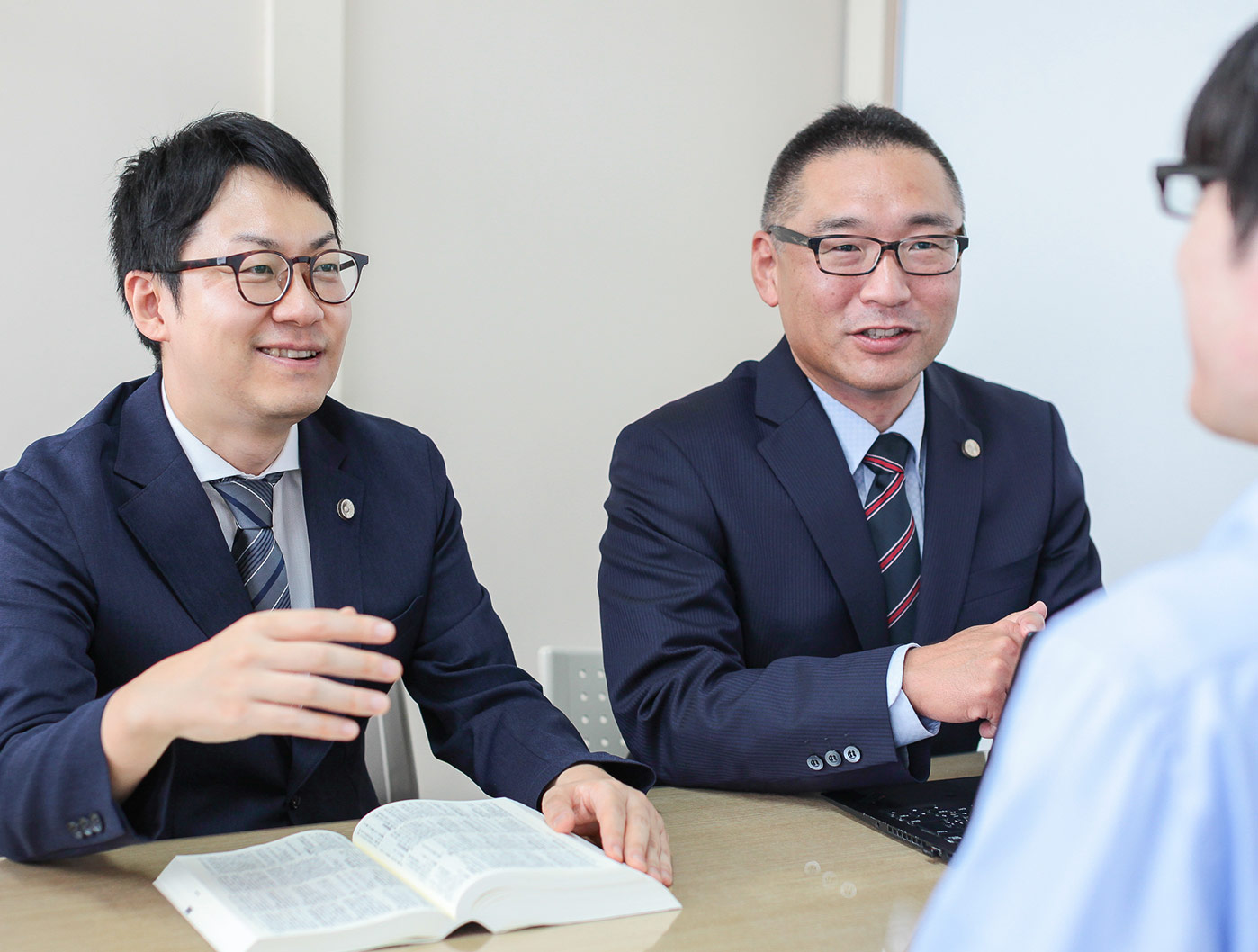
Yaizu Sogo Law Office offers a free initial legal consultation regarding traffic accident concerns. There is no obligation to retain our services after the initial consultation. We are also available on weekday evenings and Saturdays. Please feel free to contact us by phone or email.
Passengers Are Also Victims of Traffic Accidents

In a traffic accident, not only the driver but also passengers in the vehicle may be injured.
For example:
- A family member's car was rear-ended while you were riding in it
- You were involved in an accident at an intersection while riding in a friend's car
- You were in an accident while riding in a taxi
- You were in a traffic accident while riding in a company car
- You were in an accident in a car driven by your spouse or parent
These are typical cases.
In such cases, the passenger is not the driver who caused the accident but a victim who was caught up in the traffic accident.
Therefore, if injured, the passenger may be able to claim medical expenses, transportation costs for hospital visits, lost income, consolation money, disability consolation money, and lost future earnings.
However, in the case of passengers, the following issues often arise:
- "Who can I make a claim against?"
- "Can I make a claim even if the driver is a family member?"
- "Can I use the insurance on the car I was riding in?"
- "Can I also make a claim against the other vehicle's insurance company?"
These are common points of contention.
Who Can a Passenger Claim Compensation From?
When a passenger is injured in a traffic accident, the party to claim against varies depending on the circumstances of the accident.
The main parties to claim against include the following:
- The driver, owner, and insurance company of the other vehicle
- The driver, owner, and insurance company of the vehicle the passenger was riding in
- Compulsory automobile liability insurance (CALI)
- Personal injury protection (PIP) insurance
- Passenger injury insurance
- Workers' compensation insurance
A passenger can claim compensation from the driver(s) responsible for the accident.
For example, if the other vehicle is at fault, the passenger can claim against the other driver or their insurance company.
On the other hand, if the driver of the vehicle the passenger was riding in is also at fault, the passenger may be able to claim against that driver or their insurance company as well.
In other words, a passenger may be able to claim not only against the other vehicle but also against the driver of the car they were riding in.
Claiming Against the Other Vehicle
A typical case is when the vehicle the passenger was riding in was rear-ended.
For example, if you were riding in a family member's car and were injured when a following vehicle rear-ended you, you can claim compensation from the driver or insurance company of the vehicle that rear-ended you.
In this case, if the other vehicle is found to be 100% at fault, the passenger can, in principle, claim the full amount of damages from the other party.
The damages that can be claimed include:
- Medical expenses
- Transportation costs for hospital visits
- Lost income
- Consolation money for hospitalization and outpatient treatment
- Disability consolation money
- Lost future earnings due to disability
and others.
Being a passenger does not automatically mean that consolation money will be reduced.
As long as a passenger was injured and received outpatient treatment, they can claim consolation money in the same manner as a typical traffic accident victim.
Claiming Against the Driver of the Vehicle the Passenger Was Riding In
Depending on the accident, the driver of the vehicle the passenger was riding in may also be at fault.
For example:
- The driver of the passenger's vehicle ran a red light
- The driver of the passenger's vehicle failed to stop at a stop sign
- The driver of the passenger's vehicle caused an accident due to failure to watch ahead
- Both the passenger's vehicle and the other vehicle were at fault
These are such cases.
In such cases, the passenger may be able to claim compensation not only from the other vehicle but also from the driver of the vehicle they were riding in.
However, when the driver is a family member or friend, many people may feel reluctant, thinking "I don't want to make a claim against my family" or "I don't want to cause trouble for my friend."
In practice, however, compensation is often paid not directly by the driver but through the voluntary insurance or CALI on the vehicle.
Therefore, even if a family member or friend was driving, it is important to first check whether insurance can be used.
Can a Claim Be Made Even If the Driver Is a Family Member?
A common situation in passenger accidents is when the driver is a spouse, parent, child, or sibling.
Even in such cases, legally, a compensation claim can be made if the driver was at fault.
However, since many people are reluctant to make a direct claim against a family member, in practice the focus is on using insurance.
For example, the following are checked:
- Voluntary insurance on the passenger's vehicle
- CALI on the passenger's vehicle
- Personal injury protection (PIP) insurance
- Passenger injury insurance
to determine whether they can be used.
There may be limitations on coverage among cohabiting relatives.
Depending on the terms of the insurance policy, the availability and scope of coverage when a family member is the victim may differ.
Therefore, when the driver is a family member, it is necessary to review the insurance certificate and policy terms and confirm with the insurance company whether coverage applies.
When the Driver Is a Friend or Acquaintance
If you were riding in a friend's or acquaintance's car and were involved in an accident, the basic approach is the same.
If the other vehicle is at fault, you claim against the other party's insurance company.
If the driver of the vehicle you were riding in is also at fault, you would claim against that driver or their insurance company.
Even if you feel reluctant to make a claim against a friend or acquaintance, if voluntary insurance is available, the actual payment is often made by the insurance company.
However, if the driver has no voluntary insurance or if the insurance cannot be used due to driver restrictions or age conditions, claiming directly against the driver may become an issue.
If you fail to make any claim out of concern for the friendship, you may not receive sufficient medical expenses or consolation money.
First and foremost, it is important to confirm which insurance policies are available.
Does a Passenger Have a Share of Fault?
Normally, since the passenger was not driving the vehicle, they are often not at fault for the occurrence of the accident.
Therefore, the passenger may be able to claim the full amount of damages from the driver(s) responsible for the accident.
However, in exceptional cases, the passenger's own fault or grounds for reduction may become an issue.
For example:
- The passenger knowingly rode with a driver who had been drinking
- The passenger encouraged dangerous driving
- The passenger knowingly rode in an overcrowded vehicle
- The passenger was not wearing a seatbelt
- The passenger was not wearing a helmet on a vehicle that required one
- The passenger interfered with the driver's driving
These are such cases.
In such circumstances, the passenger's compensation amount may be reduced.
In particular, if failure to wear a seatbelt is found to have worsened the injuries, a certain degree of comparative negligence may become an issue.
In Cases of Joint Tortfeasance
In passenger accidents, both the other vehicle and the passenger's vehicle may be at fault.
For example, in an intersection accident where both the other vehicle and the passenger's vehicle share fault.
In this case, from the passenger's perspective, both drivers may be deemed to have jointly caused the accident.
Legally, as a joint tortfeasance, the passenger may be able to claim the full amount of damages from both drivers.
For example, even if the other vehicle is 70% at fault and the passenger's vehicle is 30% at fault, the passenger can, in principle, demand full compensation from the at-fault parties.
The at-fault parties then adjust the allocation of liability between themselves.
However, in actual insurance handling, coordination may be needed regarding which insurance company serves as the point of contact and which insurance is used first.
Damages a Passenger Can Claim
When a passenger is injured in a traffic accident, the damages that can be claimed are basically the same as those for a typical traffic accident victim.
The main types of damages are as follows:
1. Medical Expenses
These are the costs necessary for treating injuries caused by the accident.
Medical expenses at hospitals, orthopedic clinics, and osteopathic clinics may be at issue.
2. Transportation Costs for Hospital Visits
These are the transportation costs incurred for hospital visits.
Public transportation, private vehicles, and taxi fares (when necessary) may be covered.
3. Lost Income
This is the loss of income due to being unable to work because of injuries from the accident.
The calculation method differs depending on whether the victim is a company employee, self-employed, a homemaker, or a part-time worker.
4. Consolation Money for Hospitalization and Outpatient Treatment
This is consolation money for the emotional distress of being forced to be hospitalized or receive outpatient treatment due to injuries from the accident.
It is calculated based on the treatment period, actual number of outpatient visits, and the nature of the injuries.
5. Disability Consolation Money and Lost Future Earnings
This becomes an issue when pain, numbness, limited range of motion, or other symptoms remain after treatment, and a disability grade is certified.
Once a disability grade is certified, the amount of compensation may change significantly.
Insurance Available to Passengers
In passenger accidents, multiple insurance policies may be involved.
Specifically, the following types of insurance may apply:
- CALI of the other vehicle
- Voluntary insurance of the other vehicle
- CALI of the passenger's vehicle
- Voluntary insurance of the passenger's vehicle
- Personal injury protection (PIP) insurance
- Passenger injury insurance
- Attorney's fee special clause
Which insurance can be used depends on the circumstances of the accident, the allocation of fault, the terms of the insurance policies, and the relationship between the passenger and the driver.
In particular, PIP insurance and passenger injury insurance may cover the passenger's injuries.
Additionally, if an attorney's fee special clause is available, it may be possible to consult with and retain an attorney while minimizing out-of-pocket costs.
When Personal Injury Protection (PIP) Insurance Can Be Used
PIP insurance is a type of insurance that provides a certain level of compensation according to the policy terms when a person is injured in a traffic accident, regardless of the allocation of fault.
Passengers may also be eligible for coverage under PIP insurance.
For example, if the vehicle the passenger was riding in has PIP insurance, the passenger may be able to receive payment for medical expenses, lost income, and other damages through that insurance.
Additionally, if the victim or their family members have PIP insurance under their own policies, it may also be available.
By using PIP insurance, it may be possible to receive a certain level of compensation at an early stage, regardless of any dispute over the allocation of fault with the other party.
However, the amount paid under PIP insurance does not necessarily match the amount of the compensation claim against the other party.
Careful consideration is needed regarding which insurance to use and how to coordinate with the claim against the other party.
When Passenger Injury Insurance Can Be Used
Passenger injury insurance is a type of insurance that pays a fixed amount of insurance money according to the policy terms when a person riding in the insured vehicle is injured in an accident.
Unlike PIP insurance, rather than calculating the actual amount of damages in detail, a fixed amount may be paid based on the number of days of hospitalization and outpatient treatment, the nature of any disability, and other factors.
If a passenger is injured, they may be able to use this passenger injury insurance.
However, receiving payment under passenger injury insurance does not automatically eliminate the right to claim compensation from the other party.
Since the treatment varies depending on the nature of the insurance money and the policy terms, it is important to confirm with the insurance company or an attorney.
When Riding in a Taxi, Bus, or Company Car
If you were riding in a taxi, bus, or company car, a compensation claim may also arise if you are injured in a traffic accident.
In an accident while riding in a taxi, if the other vehicle is at fault, you claim against the other party.
If the taxi driver is also at fault, the liability of the taxi company may become an issue.
In bus accidents or company car accidents as well, it is necessary to sort out the relationships among the driver, the employer, the other vehicle, and each insurance company.
Additionally, if the accident occurred during a commute or in the course of work, workers' compensation insurance may also be available.
In this way, for passenger accidents that occur during work or commuting, it is necessary to consider not only traffic accident compensation but also the relationship with workers' compensation insurance.
Points to Note in Passenger Accidents
The following points require attention in passenger accidents:
1. Visit a Hospital Immediately After the Accident
Even if the pain is mild immediately after the accident, neck pain, back pain, numbness, headaches, and other symptoms may appear later.
If there is a delay between the accident and the hospital visit, the causal relationship with the accident may be disputed.
2. Report to the Police
Even if you were injured as a passenger, it is important to file a report as a personal injury accident.
A traffic accident certificate, an on-site investigation report, and other documents may become important in a subsequent compensation claim.
3. Confirm Which Insurance Policies Are Available
There may be multiple insurance policies available, including the other party's insurance, the passenger vehicle's insurance, and your own or your family's insurance.
4. Verify the Amount of Damages Before Settling
Even if a settlement proposal is received from the insurance company, the amount may not be fair.
Especially when consolation money, lost income, or disability is at issue, it is important to review the details before settling.
When a Settlement Proposal Is Received from an Insurance Company
In passenger accidents as well, a settlement proposal will be sent from the insurance company after treatment ends.
The settlement proposal will include items such as:
- Medical expenses
- Transportation costs for hospital visits
- Lost income
- Consolation money for hospitalization and outpatient treatment
- Disability consolation money
- Lost future earnings
and others.
However, the amount proposed by the insurance company may be lower than the attorney's standard.
Additionally, lost income may not have been fully calculated, or the settlement may be requested without applying for disability certification.
Once you sign a settlement agreement, you generally cannot make additional claims later.
There is no need to hold back just because you are a passenger.
If you have any concerns about whether the settlement proposal is fair, we recommend consulting with an attorney.
Benefits of Consulting an Attorney for Passenger Accidents
In passenger accidents, multiple parties and insurance companies may be involved.
Therefore, it is necessary to sort out:
- Who should the claim be made against?
- Which insurance policies can be used?
- Is it necessary to make a direct claim against a family member or friend?
- Should PIP insurance be used?
- Is the settlement proposal from the other party's insurance company fair?
- Should a disability certification application be filed?
and other issues.
By consulting with an attorney, you can clarify the claim target, insurance utilization, damage amount, and settlement negotiation strategy.
Additionally, if an attorney's fee special clause is available, it may be possible to consult with and retain an attorney while minimizing out-of-pocket costs.
Summary

When a passenger is injured in a traffic accident, the passenger may be able to claim compensation as a traffic accident victim.
The claim may be directed not only at the other vehicle but also, depending on the circumstances of the accident, at the driver or insurance company of the vehicle the passenger was riding in.
Even if the driver is a family member or friend, compensation may be available through voluntary insurance, CALI, PIP insurance, passenger injury insurance, and other policies.
Additionally, even as a passenger, it may be possible to claim medical expenses, lost income, consolation money, disability consolation money, and lost future earnings.
When a settlement proposal is received from an insurance company, the proposed amount may not be fair.
Before signing a settlement agreement, it is important to confirm who the claim can be made against, which insurance policies can be used, and whether consolation money and lost income have been properly calculated.
FAQ
Can a passenger claim consolation money for a traffic accident?
Yes. Since a passenger is also a victim injured in a traffic accident, they may be able to claim consolation money for hospitalization and outpatient treatment based on the treatment period and the nature of the injuries.
If I was injured while riding in a car driven by a family member, will I have to make a claim against my family?
Depending on the circumstances of the accident, a claim against the family member who was driving may legally arise. However, in practice, the use of voluntary insurance, CALI, PIP insurance, and other policies is often considered.
Can I claim compensation for an accident while riding in a friend's car?
Yes. If the other vehicle is at fault, you can claim against the other party. If the driver of the vehicle you were riding in is also at fault, a claim against their insurance company may also arise.
Does a passenger have a share of fault?
Normally, a passenger is often not at fault for the occurrence of the accident. However, if the passenger knowingly rode with a drunk driver, was not wearing a seatbelt, or encouraged dangerous driving, a reduction in compensation may become an issue.
Which insurance policies can a passenger use?
Insurance policies that may be available include the other vehicle's insurance, the passenger vehicle's insurance, PIP insurance, passenger injury insurance, and attorney's fee special clauses. Confirmation of the accident circumstances and insurance details is required.
What are the benefits of using PIP insurance in a passenger accident?
Regardless of any dispute over the allocation of fault, a certain level of compensation may be received at an early stage according to the policy terms. However, coordination with the claim against the other party may be necessary.
Can a passenger apply for disability certification?
Yes. If pain, numbness, limited range of motion, or other symptoms remain after the accident, it is necessary to consider applying for disability grade certification.
Should I sign the settlement proposal when it arrives from the insurance company?
Signing immediately is not recommended. It is important to verify consolation money, lost income, whether there is any disability, and which insurance policies are available before making a decision.
The Initial Legal Consultation for Traffic Accidents at Yaizu Sogo Law Office Is Free of Charge

Yaizu Sogo Law Office provides a free initial legal consultation regarding traffic accidents.
We handle all traffic accident-related legal matters, regardless of severity or whether they involve property damage or personal injury. If you are feeling stressed by dealings with insurance companies, or if you want to know whether the amount offered by your insurance company is fair, please do not hesitate to consult with us.
Yaizu Sogo Law Office is available not only during regular weekday hours but also on weekday evenings and Saturdays. Please contact us by phone or email to schedule a legal consultation.
Contact
If you are facing issues with traffic accidents, debt restructuring, or inheritance:You can consult a lawyer for free
At Yaizu General Law Office, free legal consultations are available for those facing traffic accidents, debt restructuring, or inheritance issues. There is no obligation to retain our services after a free consultation. For other areas of law, consultations are available at 5,500 yen (tax included) per 30 minutes. Please do not hesitate to contact us if you need assistance.
Reservation for Legal Consultation / Contact Us


Office
About Yaizu General Law Office
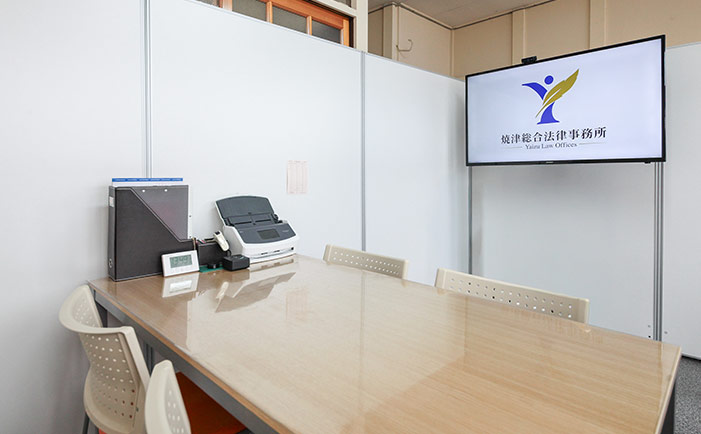
Yaizu Office
-
- Address
- 〒425-0028
3-11-4 Ekikita, Yaizu City,
Shizuoka Prefecture
-
- Phone
- 054-639-5573
-
- Business Hours
- Mon-Fri 9:00 AM - 7:00 PM Sat 9:00 AM - 5:00 PM / Closed: Sundays & Holidays
-
- Access
- 6-minute walk from Yaizu Station / Parking available
- Access
-
- Service Area
- Yaizu, Makinohara, Fujieda, Shimada, Yoshida, and surrounding areas


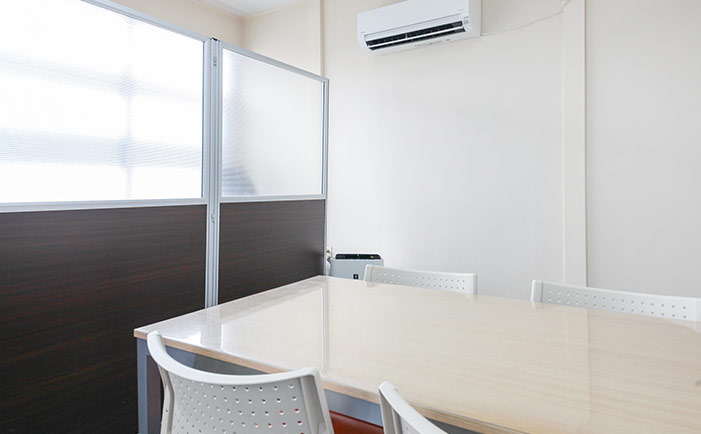
Makinohara Office
-
- Address
- 〒421-0422
Maison de Hautoku 1F, 140-4 Shizunami,
Makinohara City, Shizuoka Prefecture
-
- Phone
- 0548-28-6710
-
- Business Hours
- Mon-Fri 9:00 AM - 7:00 PM Sat 9:00 AM - 5:00 PM / Closed: Sundays & Holidays
-
- Access
- 4-minute walk from Shizunami 1-chome (Bus Stop) / Parking available
- Access
-
- Service Area
- Yaizu, Makinohara, Fujieda, Shimada, Yoshida, and surrounding areas




Flow
Free Legal Consultation Process
-
01

-
Making a Reservation for Free Legal Consultation
Please make a reservation by phone or email. There is absolutely no obligation to retain our services after a free consultation. If you are in need of help, please feel free to come in for a consultation.
02

-
Free Legal Consultation with an Attorney
An attorney will personally listen to the details of your situation. Bringing a memo or documents summarizing your issue will help the consultation go smoothly. If the matter is resolved through consultation alone, the process ends here.
03

-
If You Wish to Retain an Attorney
During the consultation, we will also explain the fees and outlook should we take on your case. If you wish to proceed, you may retain us at that time. You are also welcome to take the information home and consider it before making a decision.

